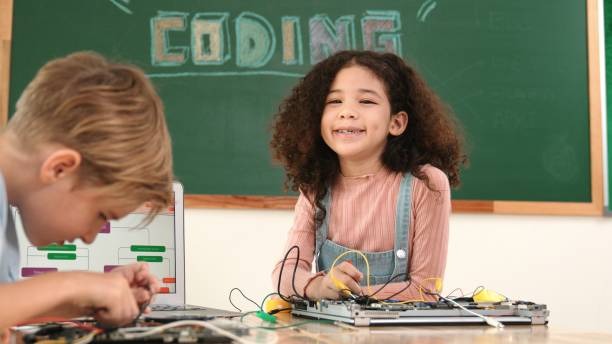
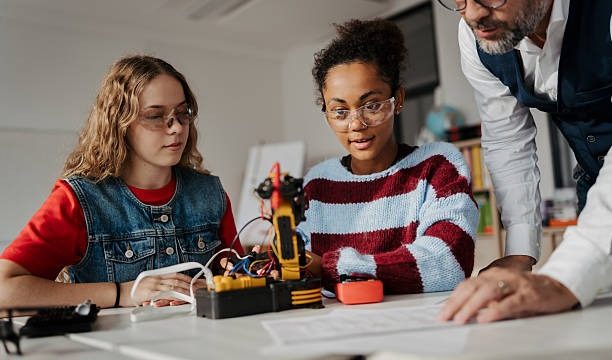
In today’s digital age, the importance of coding cannot be overstated.
It’s not just a skill for tech enthusiasts; it’s a new language that opens up a world of possibilities.
For children, learning to code can be an exciting adventure, one that blends creativity, problem-solving, and critical thinking in a way that feels more like play than work. As parents and educators, we have the wonderful opportunity to introduce kids to this fascinating world, making their first steps into coding not only educational but also fun.
The joy of discovery is a fundamental part of childhood. Kids are naturally curious, eager to explore and understand how things work. Coding taps into this curiosity by allowing them to create their own projects, whether it’s a simple game, an animated story, or even a personal website. When children see their ideas come to life on the screen, it ignites a spark of excitement. This process of creation can be incredibly rewarding, fostering a sense of accomplishment that encourages them to keep learning.
One of the most appealing aspects of coding for kids is the variety of resources available. There are countless platforms and tools designed specifically for young learners, many of which incorporate games and interactive challenges. For instance, platforms like Scratch or Code.org offer colorful interfaces where children can drag and drop code blocks to create animations and games. This hands-on approach not only makes coding accessible but also enjoyable. The playful nature of these tools allows kids to experiment freely, nurturing their creativity while they learn the fundamentals of programming.
Learning to code also promotes important life skills. As children engage with coding challenges, they develop problem-solving abilities and critical thinking. Coding often involves breaking down a problem into smaller, manageable parts, which is a valuable skill that extends beyond the screen. It encourages perseverance, as kids learn to troubleshoot and refine their projects. Each hurdle they overcome builds resilience, teaching them that failure is not the end but a stepping stone toward success. This mindset can be beneficial in all areas of their lives, instilling confidence and a willingness to tackle challenges head-on.
In addition to enhancing cognitive skills, coding can be a fantastic social activity. Collaborative projects encourage teamwork and communication, allowing kids to share ideas and learn from one another. Coding clubs and workshops can create a sense of community, where children bond over their shared interests. These interactions not only make learning more enjoyable but also help them develop essential social skills, fostering friendships that can last a lifetime.
As kids delve into coding, they also gain a deeper understanding of the technology that surrounds them. In a world where digital literacy is increasingly important, knowing how to code empowers children to be creators rather than just consumers of technology. It equips them with the ability to navigate the digital landscape confidently, making informed decisions about the tools they use and the content they create. This awareness can inspire a sense of responsibility in their interactions with technology, encouraging them to use it positively and ethically.
Incorporating coding into a child’s routine doesn’t have to feel like another chore on the to-do list. Instead, it can be seamlessly integrated into their everyday activities. For instance, parents can encourage coding through playful challenges at home, such as creating a simple game as a family project. By framing coding as a fun and engaging activity, it becomes a delightful part of their learning journey rather than a task to complete.
The beauty of learning coding is that it can be tailored to each child’s interests and pace. Some kids might be drawn to game design, while others may find joy in building websites or creating animations. By allowing them to explore different areas of coding, they can discover their passions and develop skills that resonate with their personal interests. This autonomy not only makes learning more enjoyable but also instills a sense of ownership over their education, motivating them to pursue their coding journey with enthusiasm.
As children learn to code, it’s essential to celebrate their progress, no matter how small. Recognizing their achievements fosters a positive learning environment and encourages them to keep going. Whether it’s completing a coding challenge or successfully debugging a program, these milestones are worth acknowledging. A simple word of encouragement or a small celebration can reinforce their efforts and inspire them to tackle even bigger projects.
In the end, learning to code is about more than just acquiring a technical skill; it’s about nurturing creativity, resilience, and curiosity. It’s an opportunity for children to express themselves, solve problems, and connect with others in meaningful ways. By introducing coding in a fun and engaging manner, we can help shape a generation of innovative thinkers who are not only comfortable with technology but are also excited about the possibilities it holds.
So, let’s embrace the joy of coding with our children. Let’s create an environment where learning feels like an adventure, where every line of code is a step toward discovery. With the right approach, coding can be a delightful journey that enriches their lives, sparking a passion for learning that lasts long after the screen goes dark. As we guide them through this exciting world, we’re not just teaching them to code; we’re helping them build the skills and confidence they need to thrive in an ever-evolving digital landscape.