Helping Children Build Social Skills With ADHD
Navigating the world of social interactions can be a complex journey for any child, but for those with Attention Deficit Hyperactivity Disorder (ADHD), this journey can feel even more challenging.
Children with ADHD often face difficulties in areas such as attention, impulse control, and emotional regulation, which can impact their ability to engage in social situations.
However, with understanding, patience, and the right strategies, parents and caregivers can help these children develop their social skills and foster meaningful connections.
Understanding the Unique Challenges
Children with ADHD may struggle with reading social cues, staying on topic in conversations, or waiting their turn in group activities. These challenges can lead to frustration, both for the child and their peers, which can result in social withdrawal or feelings of isolation. Recognizing that these behaviors stem from their condition is crucial. It allows parents and caregivers to approach the situation with empathy and a focus on building skills rather than simply correcting behaviors.
Creating a Supportive Environment
A nurturing environment plays a significant role in helping children with ADHD thrive socially. Encouraging open communication at home can help children express their feelings and thoughts. When they feel safe to share their experiences, they are more likely to explore social situations with confidence. Engaging in regular family discussions about emotions, friendships, and social interactions can provide children with valuable insights and tools to navigate their relationships.
Encouraging Playdates and Group Activities
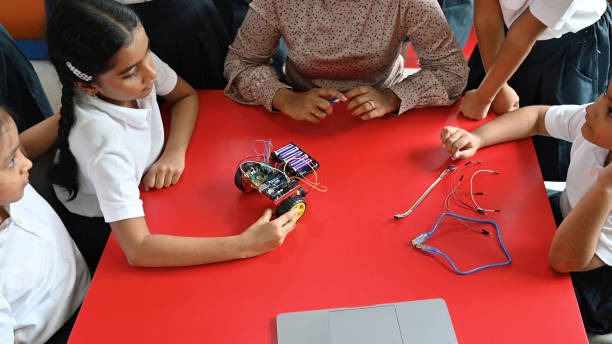
Social skills are often best learned through practice, and playdates can be a wonderful way for children to engage with their peers in a relaxed setting. When organizing playdates, consider inviting just one or two friends at a time to create a manageable environment. This allows your child to focus on building connections without feeling overwhelmed. Choose activities that encourage teamwork and cooperation, such as building a fort or participating in a craft project. These shared experiences provide opportunities for children to practice communication, negotiation, and problem-solving skills.
Fostering Emotional Awareness
Emotional intelligence is a key component of social skills. Teaching children to recognize and articulate their emotions can be incredibly beneficial. Simple activities, such as using emotion charts or discussing characters’ feelings in books or movies, can help children identify their own emotions and those of others. This awareness can enhance their ability to respond appropriately in social situations. Encouraging children to express how they feel, whether through words, art, or play, can also build their confidence in social settings.
Modeling Positive Social Interactions
Children often learn by observing the adults around them. By modeling positive social interactions, parents and caregivers can provide a practical framework for their children. Demonstrate active listening during conversations, show empathy when discussing someone else’s feelings, and practice respectful disagreement. Engaging in role-playing scenarios can also be a fun way to practice social skills at home. These activities can help children see firsthand how to navigate various social situations.
Utilizing Structured Social Skills Programs
Many communities offer structured social skills programs designed specifically for children with ADHD. These programs often provide a safe and supportive environment where children can learn and practice social skills with their peers. They may include group activities, role-playing, and discussions about social norms. Participating in such programs can help children gain confidence and develop a sense of belonging among their peers.
Celebrating Small Wins
Building social skills is a gradual process, and it’s essential to recognize and celebrate small victories along the way. Acknowledging your child’s efforts, whether they successfully initiated a conversation or shared a toy, can boost their confidence and motivate them to keep trying. Positive reinforcement helps children understand that social interactions are valuable and encourages them to continue developing these essential skills.
Encouraging Independence
As children grow and develop their social skills, fostering a sense of independence is crucial. Encourage them to engage in activities outside of their comfort zone, whether it’s joining a sports team, participating in a school club, or attending community events. These experiences can provide valuable opportunities for children to practice their social skills in diverse settings. While it’s important to provide support, allowing them to navigate these situations on their own can build resilience and confidence.
Finding the Right Balance
While it’s important to encourage social interactions, finding the right balance is key. Children with ADHD may need breaks from social activities to recharge. Pay attention to their cues and ensure they have the opportunity to unwind when needed. Creating a balanced routine that incorporates both social and solitary activities can help them thrive emotionally and socially.
Staying Connected with Educators
Collaboration with teachers and school staff can enhance your child’s social development. By maintaining open lines of communication, you can gain insights into your child’s social interactions in school and work together to address any challenges. Teachers often have valuable experience and can provide additional support and resources tailored to your child’s individual needs.
Emphasizing Patience and Understanding
Above all, cultivating social skills in children with ADHD requires patience and understanding. Progress may be slow and may come with setbacks, but celebrating the journey is essential. Each small step forward is a testament to their hard work and determination. By fostering a loving and supportive environment, you can help your child navigate the complexities of social interactions with confidence and grace.
In conclusion, helping children with ADHD build social skills is a rewarding journey filled with opportunities for growth and connection. By creating a supportive environment, encouraging practice through playdates, and modeling positive interactions, parents can equip their children with the tools they need to thrive socially. With patience, understanding, and a focus on celebrating small victories, you can guide your child toward building meaningful relationships that will enrich their lives.