In today’s fast-paced world, learning to code is not just a skill; it’s an opportunity for creativity and problem-solving.
For kids, this journey can be both exciting and empowering.
Coding opens up a realm of possibilities, allowing young minds to transform their ideas into reality. As parents and educators, nurturing this interest can lead to a lifelong passion for technology.
The beauty of learning to code lies in its accessibility. With a wealth of resources available online and offline, children can embark on their coding adventures from the comfort of home or in a classroom setting. It’s important to remember that coding is not just about learning a programming language; it’s about developing a mindset that encourages critical thinking and resilience.
A gentle introduction to coding can begin with visual programming languages. Platforms like Scratch allow children to create interactive stories, games, and animations using simple drag-and-drop blocks. This approach makes coding feel less intimidating and more like play. By combining creativity with logic, kids can see immediate results from their efforts, fostering a sense of accomplishment.
As children engage with visual programming, they learn fundamental concepts such as sequences, loops, and conditionals. These building blocks of coding are essential, and understanding them can pave the way for more complex languages later on. Encouraging kids to explore their interests while coding can lead to a natural curiosity about how technology works. Perhaps they might want to create a game inspired by their favorite story or a digital art project that reflects their unique style.
As they grow more comfortable with visual programming, introducing them to text-based languages can be a natural next step. Python, for instance, is often recommended for beginners due to its readability and versatility. With its simple syntax, children can quickly grasp the basics of coding while diving into projects that excite them. Whether it’s building a small web application or analyzing data, Python offers a wide range of possibilities that can align with their interests.
Learning to code is a journey, and it’s essential to approach it with patience and encouragement. Mistakes are part of the process, and teaching kids that setbacks are opportunities for learning can help cultivate resilience. Celebrating small victories along the way can also boost their confidence and motivate them to tackle more challenging projects.
Incorporating coding into everyday activities can make the learning process more engaging. For instance, families can explore coding games or puzzles together, turning screen time into a collaborative experience. There are numerous apps and websites designed to make coding fun, allowing kids to solve challenges and earn rewards. This playful approach not only reinforces their skills but also strengthens family bonds.
As kids progress in their coding journey, they may want to share their creations with others. Encouraging them to showcase their projects, whether through a school presentation or an online platform, can enhance their communication skills and build their confidence. Sharing their work with peers can also foster a sense of community, where they can learn from one another and inspire each other to push their boundaries.
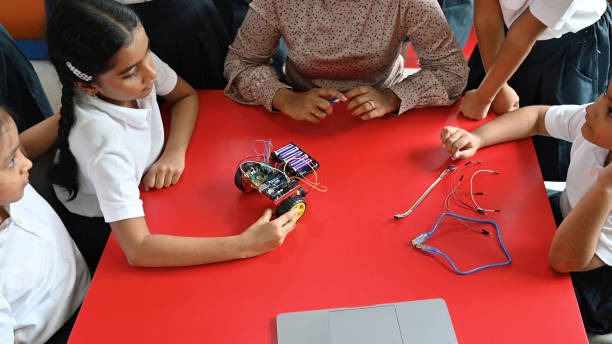
For those interested in a more structured approach, coding camps and workshops can provide valuable experiences. Many organizations offer programs specifically designed for young learners, where they can immerse themselves in coding alongside peers. These environments often cultivate collaboration and creativity, allowing kids to work on group projects and learn from experienced instructors.
As with any skill, balance is key. While coding can be an enriching activity, it’s essential to encourage kids to explore a variety of interests. Engaging in sports, arts, or other hobbies can provide a well-rounded experience, helping them develop diverse skills and perspectives. This balance can enhance their creativity and problem-solving abilities, which are vital in coding and beyond.
It’s also important to emphasize the ethical implications of technology. As children learn to code, discussing topics such as online safety, digital citizenship, and the impact of technology on society can foster a sense of responsibility. Understanding how their creations can affect others encourages thoughtful and conscientious coding practices.
As kids delve deeper into the world of coding, they might find themselves drawn to specific fields, such as game development, web design, or data science. Supporting their interests by providing resources, mentorship, or even connecting them with professionals in the field can help them envision their future paths. Exposure to diverse roles within the tech industry can inspire them to pursue their passions actively.
In this digital age, coding is becoming an essential literacy. Encouraging kids to learn this skill can empower them to navigate an increasingly tech-driven world. As they develop their coding abilities, they are not just learning to program; they are learning to think critically, solve problems, and express their creativity.
Every child learns at their own pace, and it’s vital to create a supportive environment that fosters curiosity and exploration. By providing resources, encouragement, and opportunities for collaboration, we can help ignite a passion for coding that may last a lifetime.
In conclusion, embarking on the coding journey can be a delightful adventure for kids. With the right tools, encouragement, and opportunities for exploration, they can learn to express their ideas through technology. As they navigate this exciting world, they will not only develop valuable skills but also build confidence and resilience that will serve them well in all aspects of life. Embracing coding as a part of their growth can open doors to endless possibilities, ensuring they are well-prepared for the future.