In a world increasingly shaped by technology, fostering creativity in young minds is more essential than ever.
Coding, often perceived as a complex skill reserved for tech-savvy individuals, can actually be a delightful avenue for children to express their creativity.
The beauty of creative coding lies in its ability to blend logic with imagination, allowing kids to create everything from interactive stories to animated art. Here, we’ll explore some engaging exercises that can spark interest and inspire young coders.
A gentle introduction to coding can start with the exploration of visual programming languages. Platforms like Scratch or Blockly offer a friendly interface where children can drag and drop code blocks to create animations and games. These environments remove the intimidation factor often associated with traditional coding languages, allowing kids to focus on the creative process. A simple exercise could involve creating a story where characters interact through dialogue. This not only teaches coding logic but also encourages storytelling—a vital skill in any creative endeavor.
As children become comfortable with these platforms, they can experiment with more complex concepts, such as loops and conditionals. A fun exercise might involve designing a simple game where the player controls a character that collects items. By introducing loops, kids can learn how to repeat actions, while conditionals can help them understand decision-making within the game. This hands-on experience nurtures problem-solving skills, as they must think critically about how to structure their code to achieve their desired outcomes.
Encouraging collaboration can also enhance the learning experience. Children can team up to create a project together, perhaps designing a virtual art gallery. Each child can contribute by coding different elements, such as background music, animations, or interactive features. This not only fosters a sense of community but also allows them to learn from one another. The process of sharing ideas and troubleshooting together can lead to unexpected solutions, further enriching their creative journey.
As we delve deeper into coding, integrating art can elevate the experience. A captivating exercise could involve creating generative art, where kids use code to produce unique visual designs. By manipulating shapes, colors, and patterns through coding, they can see firsthand how their instructions translate into beautiful artwork. This intersection of coding and creativity can be incredibly rewarding, as children witness their digital canvas come to life in ways they never imagined.
Another engaging project could be building a simple website. While it may sound daunting, platforms like WordPress or Wix offer user-friendly interfaces that allow kids to express themselves online. They can create a personal blog, a portfolio of their artwork, or even a fan site for their favorite book or movie. This exercise not only introduces them to web development but also teaches them about online presence and digital literacy. The thrill of seeing their creations live on the internet can ignite a passion for coding that lasts a lifetime.
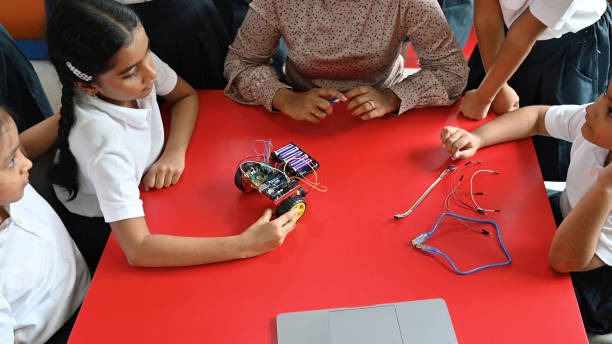
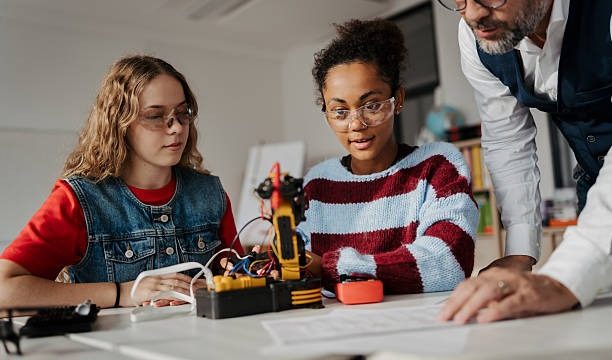
To further extend their coding journey, children can explore the world of robotics. Many educational kits are available that combine coding with hands-on building. By programming a robot to complete tasks—like navigating a maze or following a line—kids can see the direct impact of their coding efforts. This tangible result reinforces the connection between coding and the physical world, making the learning process both fun and engaging.
As we embrace the world of creative coding, it’s important to remember that the journey is just as significant as the destination. Encouragement and support from parents and educators can help children feel more confident in their abilities. Celebrating small victories, whether it’s successfully creating a character or debugging a tricky piece of code, can boost their self-esteem and motivate them to keep exploring.
The beauty of coding lies not only in the technical skills that can be developed but also in the life lessons it imparts. Patience, resilience, and creativity are all nurtured through the process of learning to code. Children learn that it’s okay to make mistakes; in fact, errors often lead to the most significant breakthroughs. This mindset is invaluable, extending beyond the realm of coding and into all areas of life.
As we step into the future, equipping young minds with the tools to navigate the digital landscape is essential. Creative coding exercises provide a playful yet meaningful way for children to engage with technology. By fostering a sense of curiosity and encouraging exploration, we empower them to become not just consumers of technology but also creators.
In our rapidly evolving world, the ability to think critically and creatively is paramount. Through coding, children can develop skills that will serve them well in any field they choose to pursue. By integrating creativity into coding exercises, we can inspire the next generation to innovate, express, and dream big.
So, let’s encourage the young coders in our lives to explore this exciting world. Whether through building games, crafting stories, or designing art, the possibilities are endless. Embracing creative coding is more than just learning a new skill; it’s about nurturing a mindset that values creativity, collaboration, and curiosity. Together, we can help shape a future where technology and imagination go hand in hand, opening doors to new adventures and opportunities.